6 Jan
2026
6 Jan
'26
1:29 p.m.
[cid:image005.png@01DC7F10.51AF4EC0]
View the optimized display by clicking
here<https://nfdi4microbiota.de/newsroom/newsletters/2026-q1/>.
Newsletter Quarter 1 2026
2025-01-06
[Example Image]
Dear Reader,
With our 14th NFDI4Microbiota newsletter, we would like to share news about conferences,
training courses, services and publications.
If you are interested in other topics we should cover, please let us know. We are happy to
hear from you!<https://wp-dev.nfdi4microbiota.de/support/helpdesk/>
And now: Enjoy reading the newsletter!
Consortium News
________________________________
A foreword from the NFDI4Microbiota Board of Directors
[cid:image008.png@01DC7F10.51AF4EC0]As we begin 2026, we take a moment to look back on a
remarkable year for NFDI4Microbiota. The year 2025 was marked by several achievements, and
we are deeply grateful for the contributions by the supporting scholarly societies,
participants and partners, which made it all possible. Reflecting on the past year, we are
especially proud to have passed our mid-term evaluation in January 2025 with flying
colors, earning high praise from the reviewers. This milestone set the tone for a
[NFDI4Microbiota Board of Directors: Prof. Alice McHardy (right) and Prof. Konrad Förstner
(left).] year of continued success. Our key services, launched as part of our program, not
only met but exceeded expectations, attracting impressive user numbers throughout 2025.
These services are now established as supporting tools for FAIR and open research in
microbiology in Germany, Europe and beyond. Alongside them, our training and outreach
activities, the service helpdesk, the knowledge base, and our use cases have all
flourished - with even further developments on the horizon for the final year of our first
funding period. We also strengthened our collaborations with other NFDI consortia in the
life sciences and expanded our activities within the BioMed and Biodata interest groups,
to generate solutions for the broader scientific community. Furthermore, we contributed in
the discussions regarding the future structure and governance of NFDI always with the
vision of “One NFDI” in mind. A particular highlight was our annual conference in Cologne,
which brought together numerous community members for learning, networking, and meaningful
exchange. As we look ahead, we are awaiting the outcome of our second proposal, hoping to
continue our mission into the future. Until then, we wish you all a year filled with
success, health, and happiness in 2026!
Defense of the NFDI4Microbiota second funding phase proposal
[cid:image013.jpg@01DC7F10.51AF4EC0]
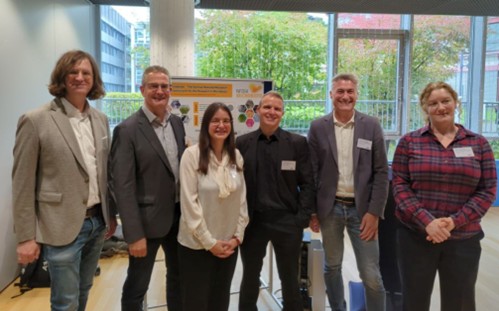
[NFDI4Microbiota partners presented our working progam for the next funding phase
to the DFG reviewers: Prof. Alexander Goesmann (JLU), Prof. Alexander Sczyrba (Bielefeld
University), Prof. Manja Marz (FSU Jena), Prof. Konrad Förstner (ZB MED), Prof. York
Sure-Vetter (NFDI e.V.) and Prof. Alice McHardy (HZI).]
After successfully submitting our renewal proposal for the second funding phase, we
presented and defended it before the DFG reviewers in October 2025. The discussion was
highly constructive and offered valuable insights into both our past achievements and our
plans for the coming years. If the evaluation is positive, our work will continue from
October 2026 onward. The consortium sincerely thanks the reviewers and the DFG for their
time and thoughtful feedback, as well as NFDI e.V. for its continuous support. We are
excited about the road ahead!
BioMed Interest Group strengthens collaboration on the path to One NFDI
[Example Image]The NFDI BioMed interest group – jointly formed by GHGA, NFDI4BIOIMAGE,
NFDI4Health, NFDI4Immuno and NFDI4Microbiota – aims at advancing biomedical data
management across NFDI. The workshop was held from December 2-4, 2025 at ZB MED Cologne to
define next steps for continued collaboration. During the strategy workshop, the
consortium speakers explored how BioMed can contribute to a more unified structure within
the broader NFDI, and developed a shared definition of services. In the outreach session,
several action points for future [Prof. Konrad Förstner (NFDI4Microbiota) and Prof.
Juliane Fluck (NFDI4Health) at the workshop of the NFDI BioMed interest group.]
collaboration were refined. The existing services and training catalogs are being
consolidated to identify overlaps and synergies. Additionally, the user’s need for a
shared metadata platform is being assessed through a survey. Finally, existing offers for
helpdesk and websites are being enhanced by referring to the other consortia. The workshop
further strengthened connections within the BioMed interest group and was a step towards
the vision of One NFDI.
Community engagement – calls, events and conferences
________________________________
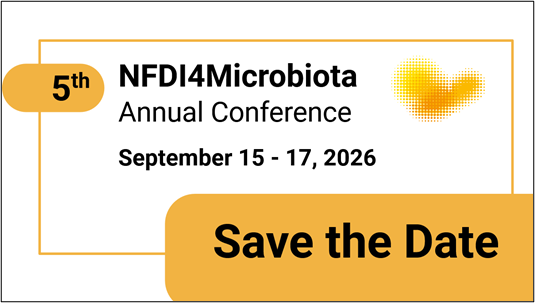
Joint NFDI4Microbiota Annual Conference 2026
[Example Image]
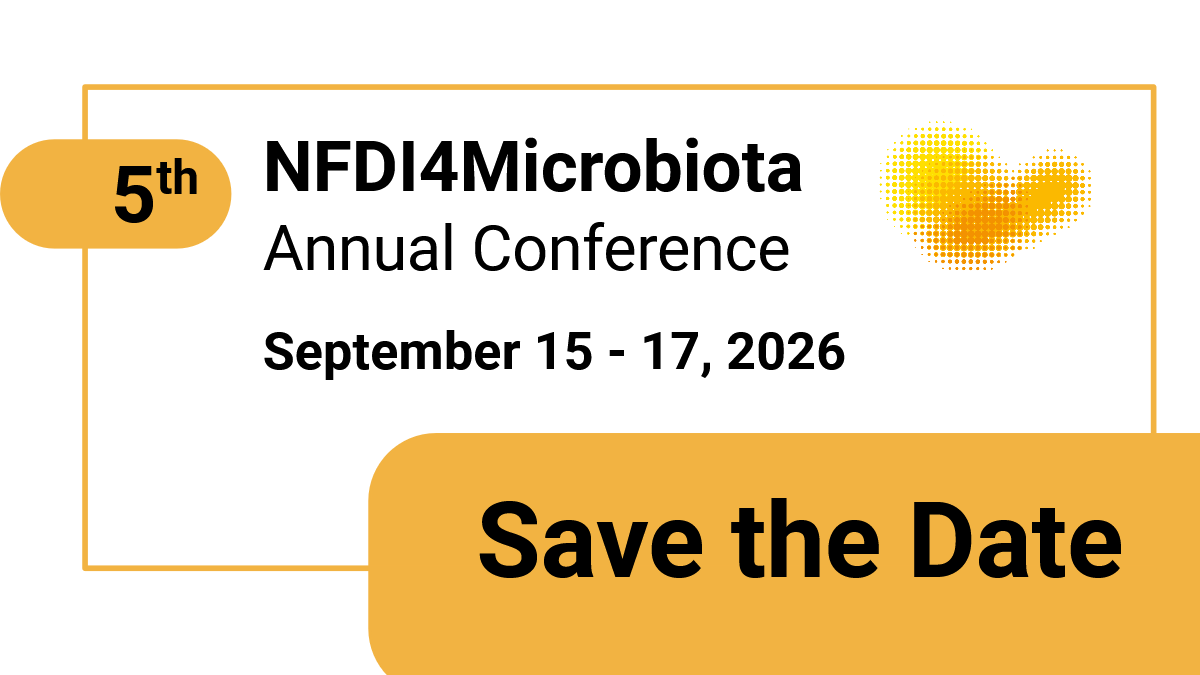
Save the date for the 5th NFDI4Microbiota Annual Conference on September 15 -17, 2026!
This year, the conference will be a joint event organized together with other life science
consortia of the NFDI biodata interest group, highlighting the full spectrum of NFDI
biodata services. Stay tuned—more details will be announced soon!
Meet us at the VAAM and DGE 2026
We are excited to meet our research community in March 2026 at the Annual Conference of
the Association for General and Applied Microbiology<https://vaam-kongress.de/>
(VAAM) and at the Conference of the German Nutrition
Society<https://www.dge.de/veranstaltungen/kongresse/63-wissenschaftlicher-kongress/>
(DGE), which will focus on nutrition and the microbiome this year. NFDI4Microbiota will
have a booth at both events and will also host a lunch symposium at the VAAM 2026. Join us
to learn more about FAIR-compliant research data management and analysis in microbiology!
Impressions from the NFDI4Microbiota Annual Conference 2025
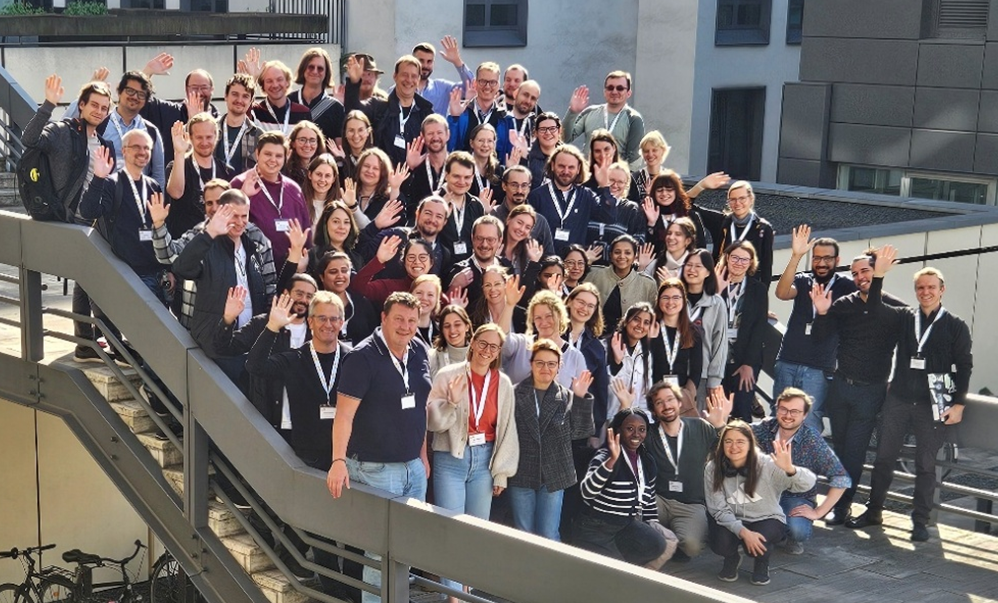
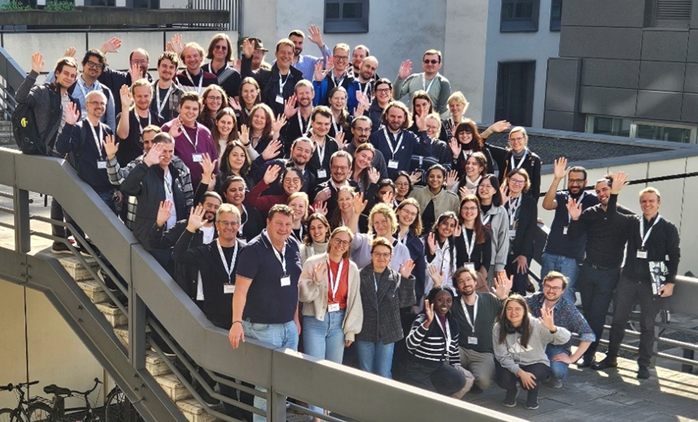
[Example Image]The fourth NFDI4Microbiota Annual Conference took place from September 30
to October 2, 2026, at ZB MED in Cologne. We were delighted to welcome around 50 external
participants from our community, including PIs, data stewards, bioinformaticians, and
early career researchers. Several attendees also joined our Ambassador Program, which aims
to connect and train scientists across the microbiology community.
[Group picture of all attendees at the NFDI4Microbiota Annual Conference.]
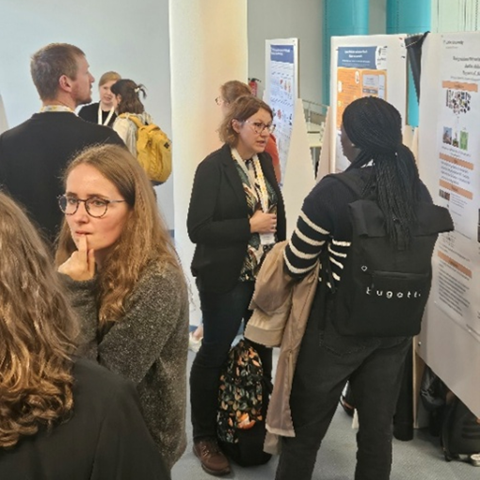
[Example Image]Across nine hands-on workshops, we taught FAIR research data management and
microbiological data analysis and discussed how participants can apply these principles in
their daily work. Many attendees highlighted that they especially appreciated the
introductory, easy-to-follow workshop formats, the hands-on elements, and the opportunity
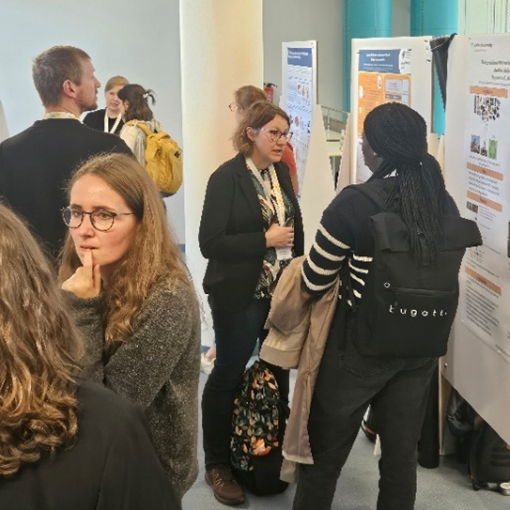
to reflect on their own research practices. The poster session proved to be a lively
networking space, and the diversity of topics and participants (from wet lab to dry lab to
data stewardship) was frequently mentioned as a major strength of the event.
[Lively and friendly mood at the poster session.]
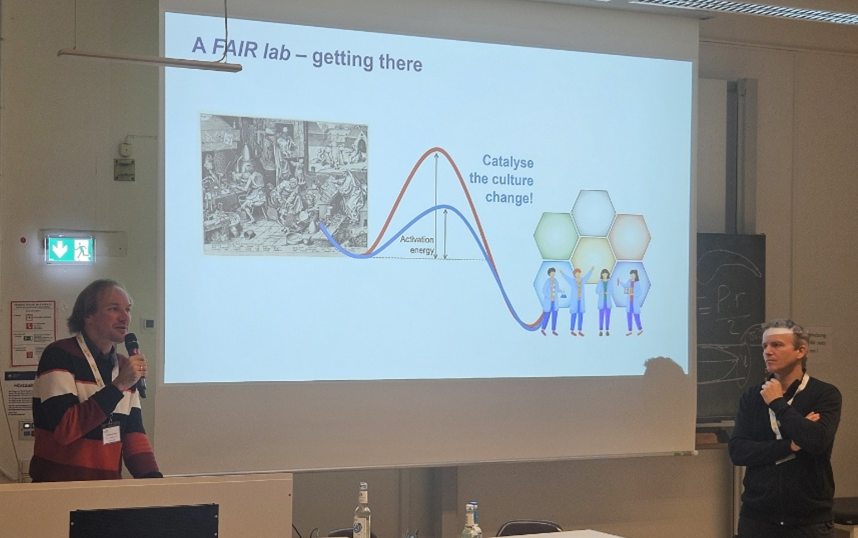
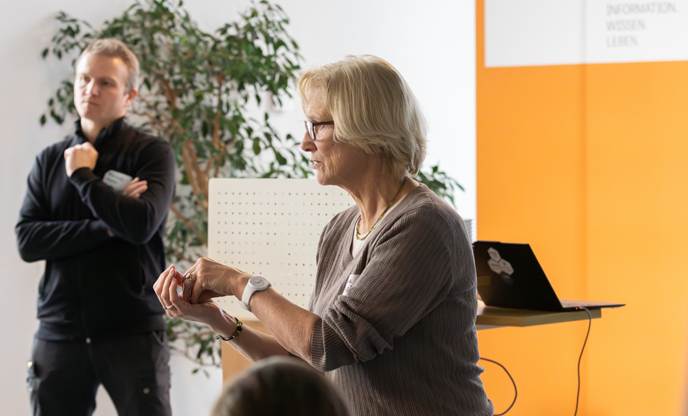
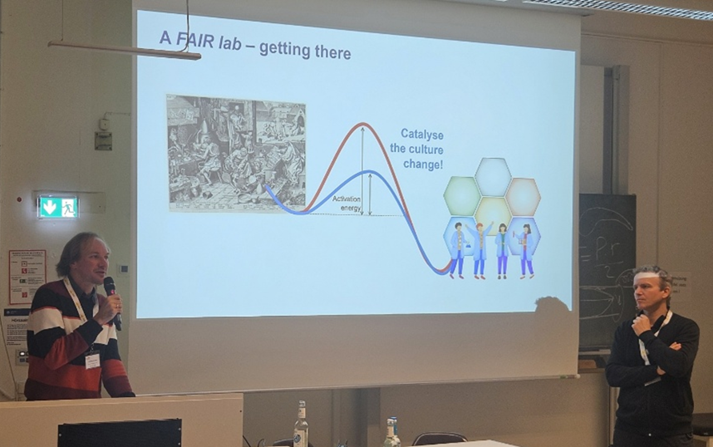
[Example Image]Our three keynote speakers — Samantha Pearman-Kanza, Alexandre Smirnov, and
Ruth Schmitz-Streit — provided inspiring insights into implementing Electronic Lab
Notebooks, practical, real-world examples of FAIR implementation, and current trends in
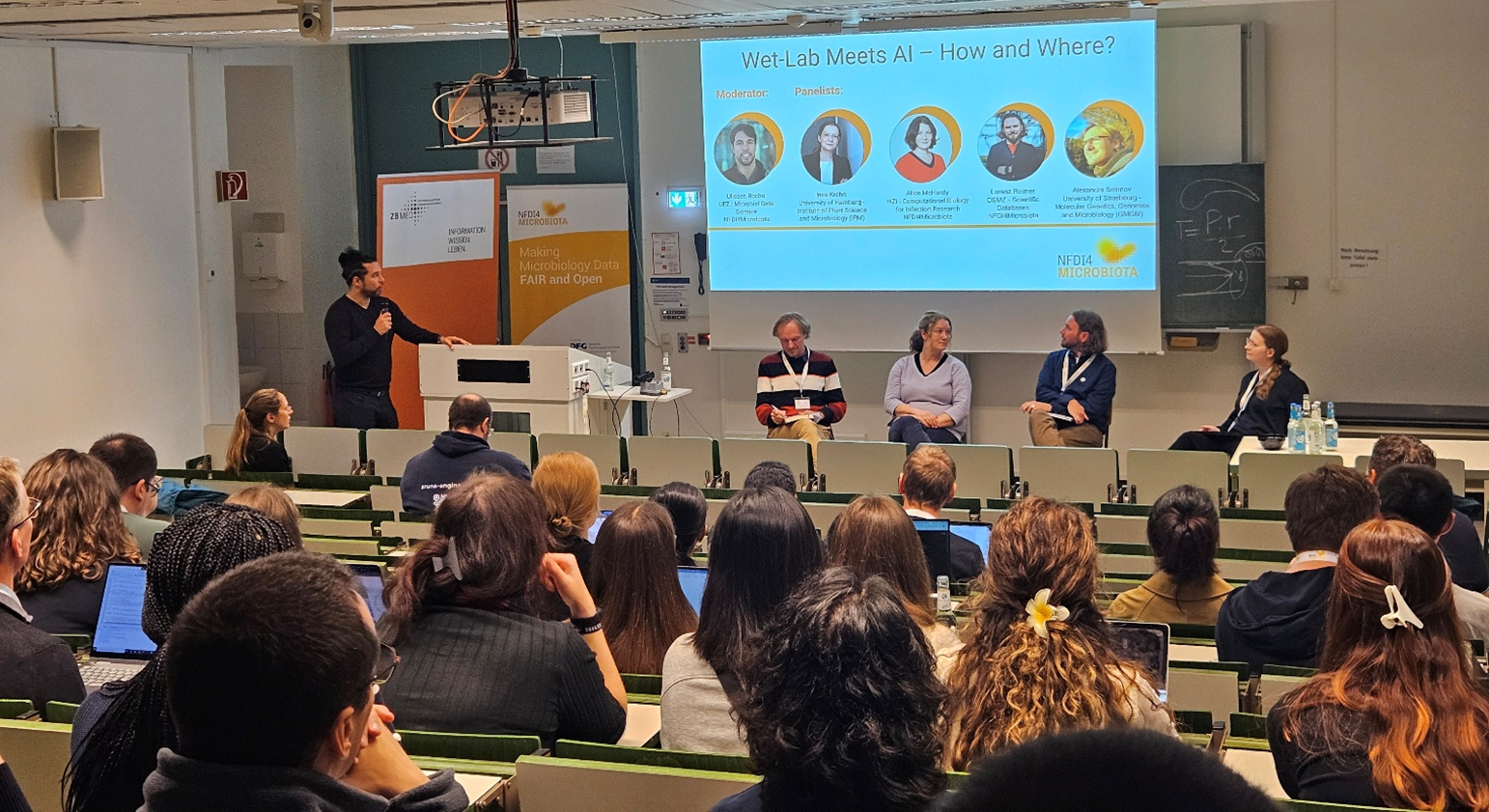
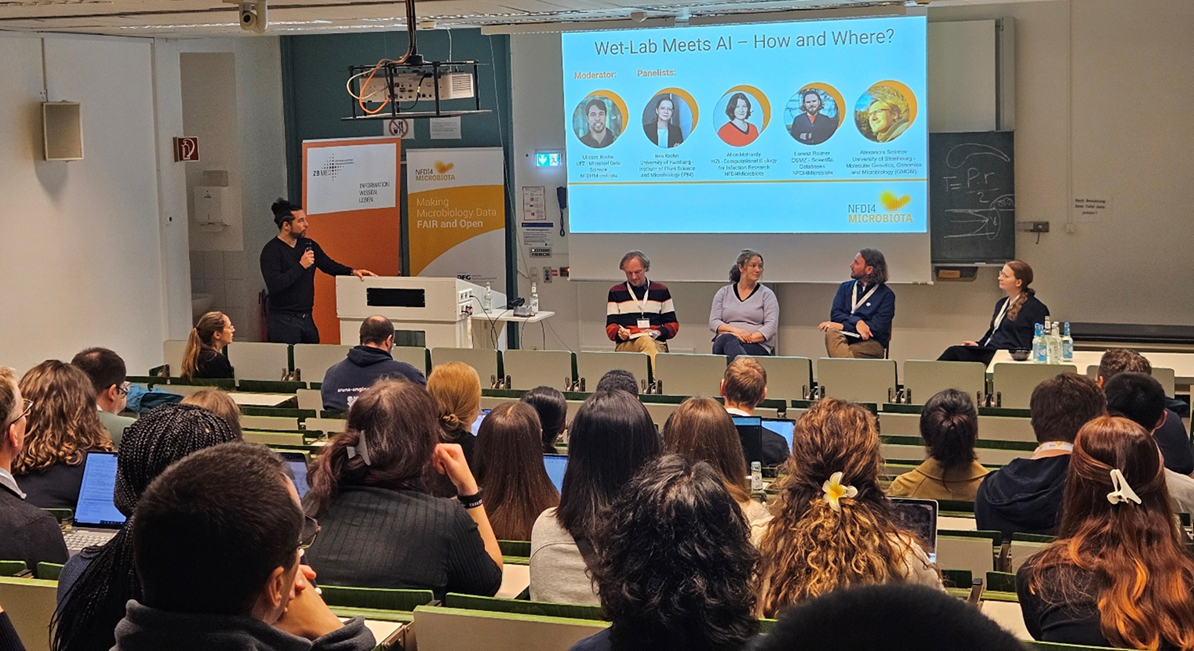
microbiology research. A panel discussion on the intersection of AI and wet-lab science
also drew great interest. Overall, the conference was described as “refreshing,”
“friendly,” and “inspiring,” with participants emphasizing the importance of discussing
FAIR practices across all career stages, from students to PIs. We [Dr. Alexandre Smirnov
(University of Strasbourg) shared inspiring insights into how he set up a FAIR lab.] thank
everyone for their contributions, ideas, and enthusiasm, and we look forward to continuing
this journey together.
[Example Image]
[Panelists of the discussion “Wet-Lab Meets AI – How and Where?” moderated by Dr. Ulisses
Nunes da Rocha: Dr.. Alexandre Smirnov (University of Strasbourg), Prof. Alice McHardy
(HZI), Dr. Lorenz Reimer (DSMZ), and Dr. Ines Krohn (University of Hamburg).]
Recap on recent workshops and conferences
The 4th biannual NFDI4Microbiota Knowledge Base Sprint was held as a lunch-to-lunch hybrid
event, based in Jena, on November 24-25, 2025. There were 15 participants across the two
days, whose contributions resulted in 48 git commits and 29 files updated. We had nice
discussions and coffee breaks together online, and in person shared a tour around the new
office building in Jena. The knowledge
base<https://knowledgebase.nfdi4microbiota.de/> is a collection of information and
references with relevance for the microbiology community in terms of research data
management, data analysis, FAIR principles, standards, and much more.
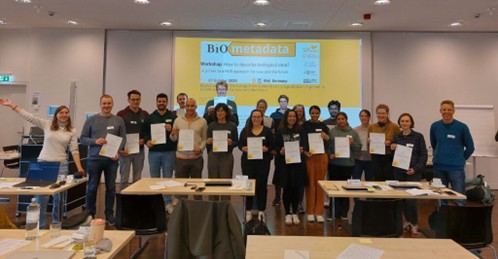
On October 7, 2025, researchers met at the Center for Molecular Biosciences in Kiel for
the Biometadata-05 Workshop<https://events.hifis.net/event/2672/overview>ew>, “How to
describe biological data? A primer to a FAIR approach for now and the future.” Organized
by NFDI4Microbiota and hosted by miTarget<https://www.mitarget.org/>g/>, the workshop
provided a practical introduction to creating FAIR-compliant microbiome metadata.
Participants learned how to use controlled vocabularies and ontologies to describe
biological datasets, practiced annotating metadata for their own projects, and discussed
common challenges such as mapping experimental details to standard fields or documenting
missing information. Well-structured metadata is essential for reproducible and reusable
microbiome research, and the workshop helped equip attendees with the skills needed to
prepare and share high-quality metadata. Looking ahead, participants are encouraged to
apply these practices in their ongoing projects and future data submissions. Find more
impressions from the workshop
here<https://www.mitarget.org/2025/10/bringing-fair-metadata-to-life-in-…h/>.
[cid:image026.jpg@01DC70E7.B2F550D0]
Biometada Workshop at the Center for Molecular Biosciences in Kiel.
SFBs and research institutes interested in FAIR biometadata training in 2026 are welcome
to contact us via the NFDI4Microbiota
helpdesk<https://nfdi4microbiota.de/support/helpdesk/>.
Refinement of the NFDI4Microbiota Ambassador Program
[Example Image]The NFDI4Microbiota Ambassador
Program<https://nfdi4microbiota.de/community/ambassador/> helps us establish direct
connections with local institutes and research initiatives within the microbial research
community. This network is essential for driving the cultural change in microbial research
data management, as our Ambassadors actively promote our mission and inform their local
communities about our services including training opportunities and individual support via
our helpdesk. At the same time, we greatly benefit from the valuable feedback they
provide, which helps us continuously improve our services. To further strengthen our
collaboration, we will restructure our bi-monthly Ambassador meetings to foster a more
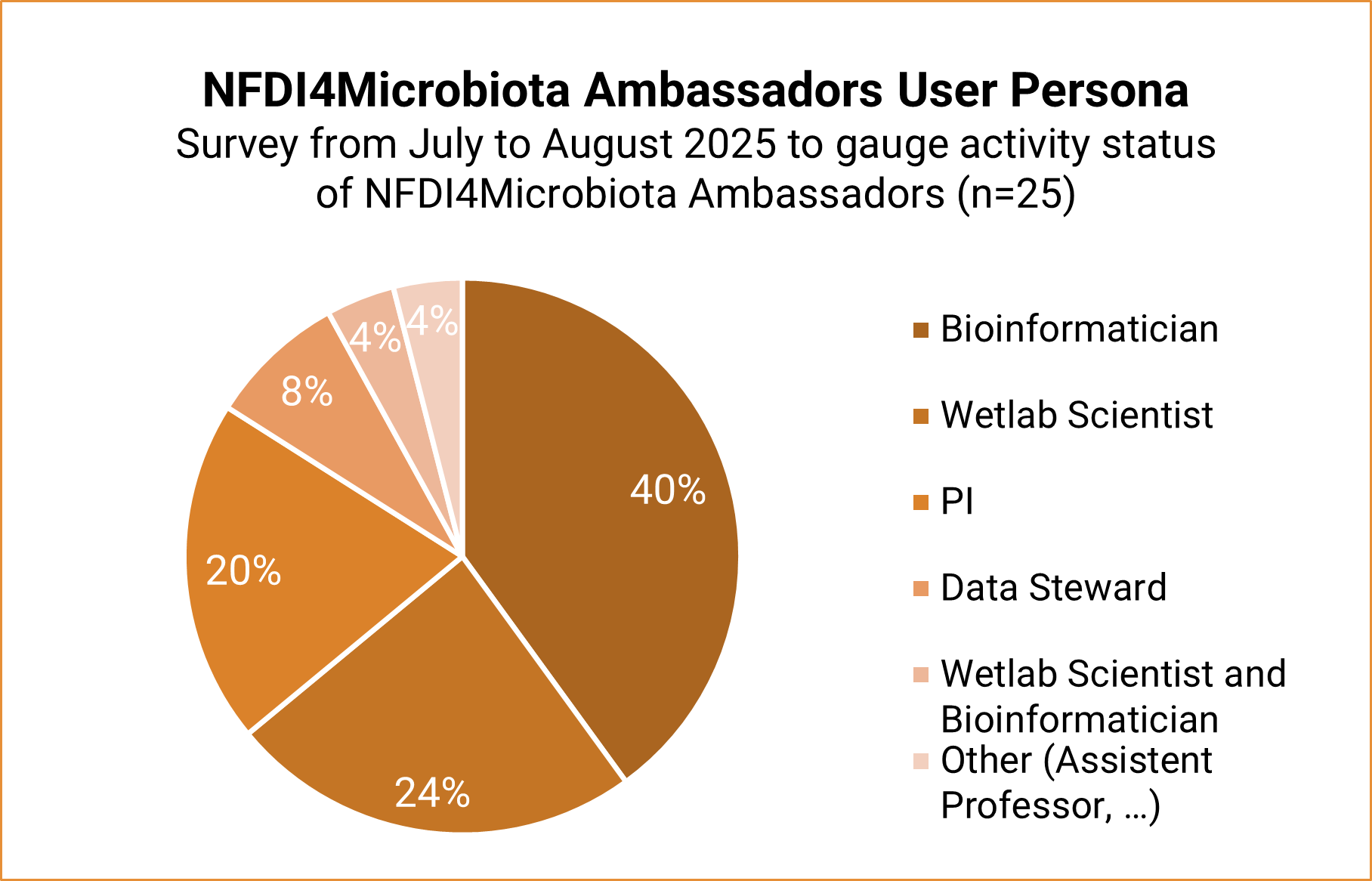
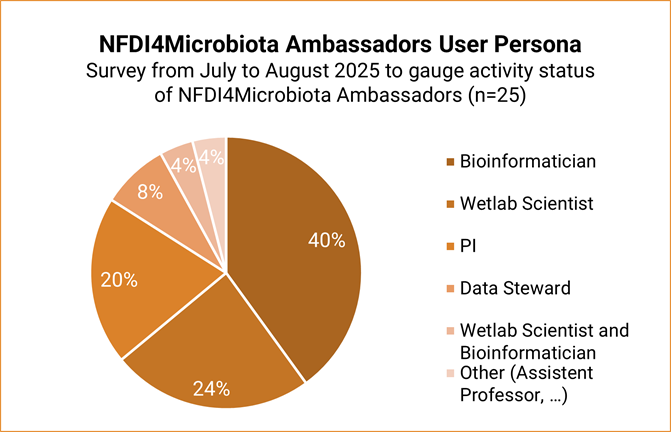
interactive and [Survey-based overview (July/August 2025) of the functional roles of
NFDI4Microbiota Ambassadors.] informal environment and to address topics relevant to the
different user personas illustrated in the graphic and described on our
website<https://nfdi4microbiota.de/community/personas/>.
You can find more information about the Ambassador Program on our
website<https://nfdi4microbiota.de/community/ambassador/> or register directly
here<https://survey.nfdi4microbiota.de/index.php/158936?lang=en>.
Take a break and join our Coffee Talks
[Example Image]The Coffee Talk meetings provide an opportunity to learn more about
NFDI4Microbiota’s services and mission from within and around the NFD4Microbiota
community. These bimonthly meetings take place online and are open to all who are
interested in staying informed about current developments and topics related to data in
microbiology research. Get your updates and more information on the schedule and
registration information
here<https://wp-dev.nfdi4microbiota.de/community/coffee_talk_series/>.
Services
________________________________
To support the microbial research community in data management and analysis, the
NFDI4Microbiota consortium has established a range of dedicated services. Visit our
persona<https://nfdi4microbiota.de/community/personas/> webpage to explore which
services are available for you as a wet-lab scientist, bioinformatician, data steward, or
PI, or find an overview of all our services
here<https://nfdi4microbiota.de/services/>.
Protologger is back online
Protologger<https://protologger.bi.denbi.de/> — a central tool of the
NFDI4Microbiota use case “TAXA”<https://nfdi4microbiota.de/usecases/taxa> that
automates bacterial protologue generation to ensure standardized taxonomic descriptions —
is now fully accessible again. We apologize for any inconveniences this has caused! Due to
recent technical issues, users will need to create a new account to continue using the
service. The issue has been resolved, and new monitoring measures are in place to prevent
similar downtime in the future. Give it a try and let us know if you encounter any
problems!
Two NFDI4Microbiota co-funded services recognized as official de.NBI services
We are pleased to announce that two services co-funded by NFDI4Microbiota have recently
been acknowledged as official services within the de.NBI network:
CloWM<https://clowm.bi.denbi.de/> and the MdoA tool
box<https://mdoa-tools.bi.denbi.de/home>. This recognition is an important
milestone. Inclusion in the de.NBI service portfolio is not automatic, it follows a strict
evaluation process designed to ensure that all services meet high scientific, technical,
and community standards. According to de.NBI’s assessment
principles<https://www.denbi.de/images/Service/deNBI_ELIXIR_DE_Guidelines_ServiceSelectionDeselectionProcess_20250707.pdf>,
services must remain dynamic, relevant, up-to-date, and aligned with the evolving needs of
life science researchers. Continuous evaluation and maintenance ensure optimal performance
and adherence to rigorous scientific criteria.
Ask your questions to our Helpdesk!
[Example Image]
The NFDI4Microbiota Helpdesk is the point of contact for the microbiology research
community for all questions related to microbial (omics) data and associated metadata. We
welcome questions from anyone - students, researchers, data stewards and more - working
with this type of data, regardless of organism (bacteria, archaea, eukaryotic
microorganisms, viruses), environment (e.g. soil, plants, host-associated and water) or
data type (e.g. nucleic acid sequences, functional genomics, image data). You can contact
us either by filling in our contact
form<https://wp-dev.nfdi4microbiota.de/support/helpdesk/> or by email:
helpdesk@nfdi4microbiota.de<mailto:helpdesk@nfdi4microbiota.de>.
Training announcements
________________________________
[Example Image]Education and training are key goals within NFDI4Microbiota. To support our
community, the consortium offers training opportunities on a variety of topics and across
different disciplines. Explore our training offers
here<https://nfdi4microbiota.de/services/trainings/>. If you like to stay up to date
on training opportunities in research data management for the life sciences, we recommend
to subscribe to this mailing
list<https://lists.nfdi.de/postorius/lists/training4lifescience.lists.nfdi.de/>
offered by NFDI and designed to keep professionals, students, and researchers in the
biosciences regularly informed about upcoming training sessions, workshops, and continuing
education opportunities.
Publications
________________________________
StrainInfo—the central database for linked microbial strain identifiers
In microbiology, the communication and comparison of research findings and data is often
complicated by the existence of a number of different designations and identifiers for the
same strain. StrainInfo is a service developed by NFDI4Microbiota to provide a resolution
of microbial strain identifiers by storing culture collection numbers, their relations,
and deposition data. An article has been recently published and discusses the new
StrainInfo database<https://straininfo.dsmz.de/>, developed to address the
challenges of microbial strain identifiers across scientific literature and databases. By
consolidating and standardizing strain data from multiple sources, StrainInfo improves the
findability, reusability, and integration of published information related to strains.
DOI: 10.1093/database/baaf059<https://doi.org/10.1093/database/baaf059> .
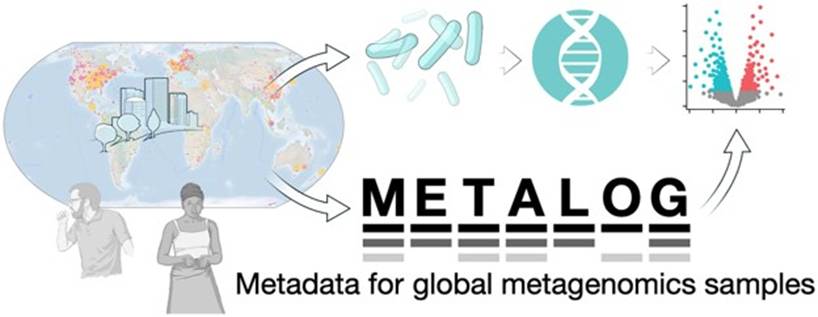
Metalog: curated and harmonised contextual data for global metagenomics samples
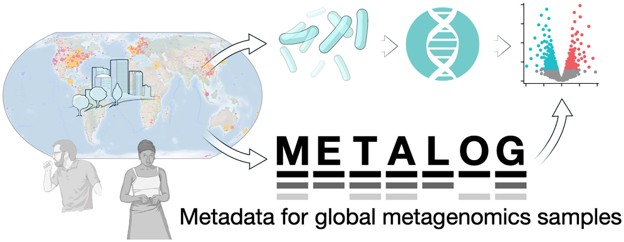
[Example Image]Metagenomic sequencing enables the in-depth study of microbes and their
functions in humans, animals, and the environment. While sequencing data is deposited in
public databases, the associated contextual data is often not complete and needs to be
retrieved from primary publications. This lack of access to sample-level metadata like
clinical data or in situ [Graphical Abstract from Nucleic Acids Res, gkaf1118. © The
Author(s) 2025. Published by Oxford University Press.] observations impedes cross-study
comparisons and metaanalyses. The authors of this article therefore created the Metalog
database<https://metalog.embl.de/>, a repository of manually curated metadata for
metagenomics samples across the globe. It contains 80 423 samples from humans (including
66 527 of the gut microbiome), 10 744 animal samples, 5547 ocean water samples, and 23 455
samples from other environmental habitats such as soil, sediment, or fresh water. DOI:
10.1093/nar/gkaf1118<https://doi.org/10.1093/nar/gkaf1118> .
Fast and robust estimate of bacterial genus novelty using the percentage of conserved
proteins with unique matches (POCPu)
Accurate taxonomic assignment of bacterial genomes is essential for identifying novel taxa
and for stable classification to enable robust comparison between studies. In this study,
the authors evaluated the commonly used Percentage of Conserved Proteins (POCP) and an
improved version, POCPu which considers unique matches only, across 2.3 million proteome
comparisons from 4,767 genomes. Using DIAMOND, POCPu run 20× faster than BLASTP and
differentiates better within-genus from between-genera values than POCP, which improves
bacterial genus assignment. DOI:
10.7717/peerj.20259<https://doi.org/10.7717/peerj.20259> .
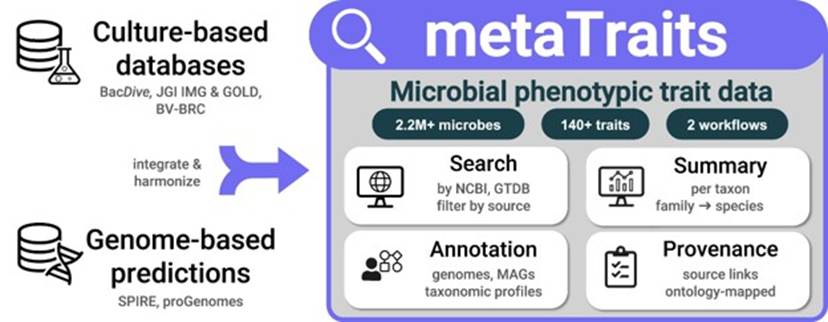
metaTraits: a large-scale integration of microbial phenotypic trait information
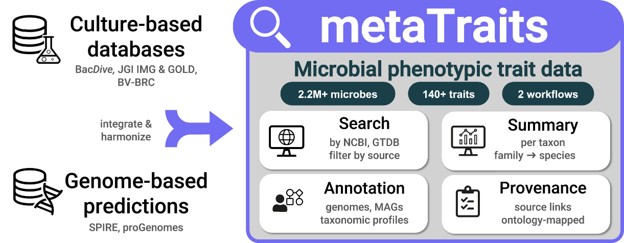
[Example Image]We are excited to announce the release of metaTraits, now published in
Nucleic Acids Research. metaTraits harmonizes microbial phenotypic trait data, summarizing
more than 140 traits across 2.2 million genomes in a single unified resource. By combining
culturebased evidence with genome-based predictions, it integrates data silos and fills
[Graphical Abstract from Nucleic Acids Res, gkaf1241. © The Author(s) 2025. Published by
Oxford University Press.] critical gaps for uncultured lineages. Initiated through an
NFDI4Microbiota Flex Fund, metaTraits was developed by Daniel Podlesny and Chan Yeong Kim
et al. from the Bork Group at EMBL Heidelberg, in collaboration with Lorenz Reimer and
colleagues from the Leibniz Institute DSMZ. metaTraits provides workflows for annotating
user-submitted genomes/MAGs and metagenomic profiles, and can be interactively explored at
metaTraits<https://metatraits.embl.de>. DOI:
10.1093/nar/gkaf1241<https://doi.org/10.1093/nar/gkaf1241> .
This newsletter is brought to you by NFDI4Microbiota
[cid:image070.png@01DC7F02.E7A3DC10]<https://nfdi.social/@NFDI4Microbiota>
[cid:image071.png@01DC7F02.E7A3DC10]
<https://bsky.app/profile/nfdi4microbiota.bsky.social>
[cid:image072.png@01DC7F02.E7A3DC10]
<https://www.linkedin.com/company/98488870/admin/feed/posts/>
[cid:image073.png@01DC7F02.E7A3DC10] <http://www.nfdi4microbiota.de/>
Mail: contact@nfdi4microbiota.de<mailto:contact@nfdi4microbiota.de>
If you no longer wish to receive this newsletter, click here to
unsubscribe.<https://lists.nfdi.de/postorius/lists/nfdi4microbiota-announce.lists.nfdi.de/>
________________________________
Helmholtz-Zentrum für Infektionsforschung GmbH | Inhoffenstraße 7 | 38124 Braunschweig |
www.helmholtz-hzi.de
Vorsitzende des Aufsichtsrates: Frau MinDir'in Prof. Dr. Veronika von Messling,
Bundesministerium für Forschung, Technologie und Raumfahrt
Stellvertreter: MinDirig Rüdiger Eichel, Niedersächsisches Ministerium für Wissenschaft
und Kultur
Wissenschaftlicher Geschäftsführer: Prof. Dr. Josef Penninger - Administrativer
Geschäftsführer: Christian Scherf
Gesellschaft mit beschränkter Haftung (GmbH)
Sitz der Gesellschaft: Braunschweig
Handelsregister: Amtsgericht Braunschweig, HRB 477
Unsere Hinweise zum Datenschutz finden Sie hier:
https://www.helmholtz-hzi.de/de/service/datenschutz/
<https://www.helmholtz-hzi.de/de/service/datenschutz/>